Australian Household Debt Rises 15%: Expert Warnings Issued
Advertisements
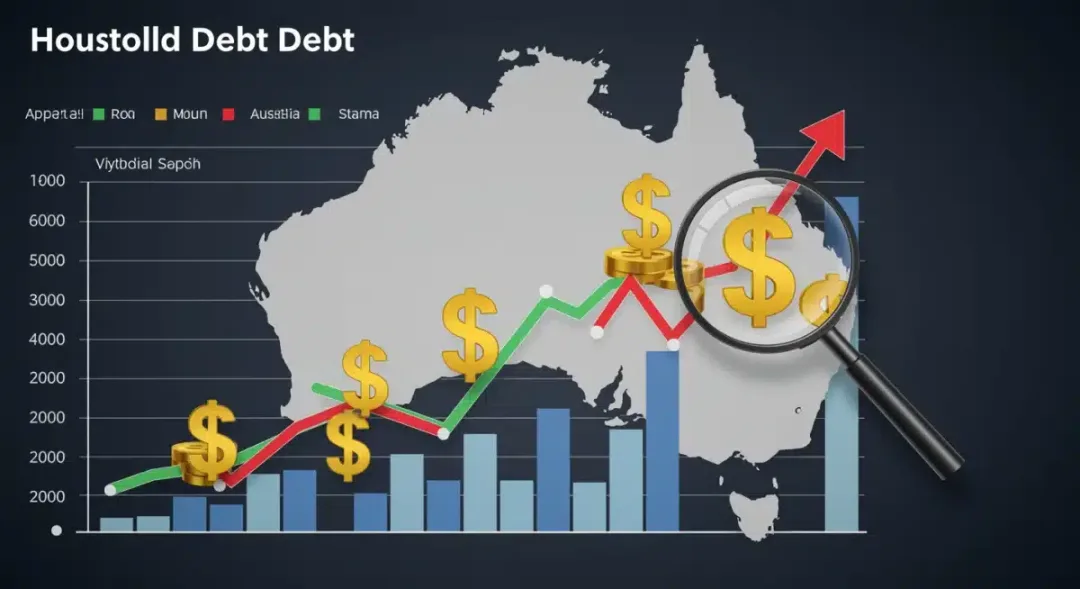
A new report reveals a concerning 15% increase in Australian Household Debt over the past year, prompting urgent warnings from financial experts. This significant rise has serious implications for individual Australians and the broader economic stability, requiring immediate attention and informed financial decisions.
The latest data indicates a substantial 15% increase in Australian Household Debt over the last 12 months, a development that has immediately captured the attention of financial analysts and policymakers. This surge raises critical questions about financial resilience and the potential for economic instability across the nation.
Experts are issuing clear warnings, urging Australian households to reassess their financial positions and implement robust strategies to manage their debt burdens effectively. The report underscores the need for greater financial literacy and proactive measures to mitigate the risks associated with elevated debt levels in the current economic climate.
This situation demands a comprehensive understanding of its causes, implications, and potential long-term effects on the Australian way of life. Our objective is to provide a clear, factual overview of this critical issue, offering insights into what this means for you and the national economy.
Understanding the Surge in Australian Household Debt
The recent report detailing a 15% increase in Australian Household Debt over the past year highlights a complex interplay of economic factors. This significant rise is not a singular event but rather a culmination of several trends impacting Australian families.
Understanding the underlying drivers is crucial for both individuals and policymakers to formulate effective responses. The data points towards sustained borrowing, influenced by both necessity and opportunity, across various sectors of the economy.
Financial institutions and government bodies are now closely scrutinising these figures to gauge the overall health of the consumer sector. The implications extend beyond individual balance sheets, potentially affecting national economic growth and stability.
Key Factors Contributing to Rising Debt
Several interconnected elements have fuelled the substantial growth in Australian Household Debt. A primary factor has been the sustained low-interest rate environment of recent years, which made borrowing more attractive and accessible for many Australians.
This encouraged households to take on larger mortgages and consumer loans, often leading to increased overall debt levels. The perception of affordability, driven by lower repayments, inadvertently contributed to the current situation.
Furthermore, the rising cost of living, particularly in major urban centres, has compelled some families to rely more heavily on credit to manage daily expenses. This reliance on debt for essential outgoings can quickly escalate, creating a challenging cycle for many.
- Low interest rates incentivised increased borrowing for mortgages and consumer goods.
- Rising cost of living, especially housing and utilities, pushed some households towards credit.
- Increased property prices meant larger mortgage sizes, contributing significantly to total debt.
- Consumer spending patterns, often financed by credit, added to the overall debt burden.
The Australian property market, characterised by consistently high and often increasing prices, also plays a pivotal role. As housing becomes more expensive, individuals and families are forced to secure larger mortgages, directly inflating the national household debt figures.
This trend is particularly evident in metropolitan areas, where competitive markets drive up borrowing limits. The aspiration of homeownership, while fundamental to the Australian dream, comes with a substantial financial commitment that often translates into significant debt.
Additionally, consumer spending habits, often facilitated by easy access to credit, have contributed to the accumulation of personal loans and credit card debt. While these might be smaller individually, their collective impact on the national debt landscape is considerable.
Expert Warnings: What the Analysts Are Saying
Financial experts across Australia are unequivocal in their warnings regarding the 15% increase in Australian Household Debt. Their analyses paint a picture of heightened risk and potential vulnerability for a significant portion of the population, urging a cautious approach to financial management.
Leading economists and financial advisors are highlighting the need for immediate action, both at the individual and systemic levels, to address this growing concern. The consensus is that ignoring these trends could lead to more severe economic repercussions down the track.
These warnings are not intended to create panic but rather to foster an environment of informed decision-making and proactive risk mitigation. The focus is on encouraging households to build greater financial resilience in the face of rising debt.
Potential Risks for the Australian Economy
The elevated levels of Australian Household Debt pose several significant risks to the broader economy. A key concern is the potential for increased financial stress among households, particularly if interest rates continue to rise or if economic conditions deteriorate.
Should unemployment rates increase or wages stagnate, many families could struggle to meet their debt obligations, leading to a rise in defaults and insolvencies. This could, in turn, impact the stability of the banking sector and the wider financial system.
Another risk is the potential for reduced consumer spending, which is a significant driver of economic growth. If households are dedicating a larger portion of their income to debt repayments, they will have less discretionary income available for other purchases, potentially slowing down economic activity.
Moreover, the interconnectedness of the financial system means that distress in one sector can quickly spread to others. A significant downturn in the housing market, for instance, combined with high household debt, could create a ripple effect throughout the economy.
Impact on Australian Families and Lifestyles
The 15% increase in Australian Household Debt directly translates into tangible impacts on the daily lives and long-term financial prospects of Australian families. Many are already feeling the pinch, navigating tighter budgets and making difficult choices to manage their escalating financial commitments.
This situation often leads to increased stress and anxiety, as households grapple with the pressure of meeting regular repayments while trying to maintain their quality of life. The psychological burden of significant debt should not be underestimated, affecting overall well-being.
For some, the rising debt has meant postponing major life milestones, such as starting a family, purchasing a first home, or planning for retirement. The dream of financial freedom becomes more distant when a substantial portion of income is consumed by debt servicing.
Families are also finding themselves with less capacity to save for emergencies or future investments, eroding their financial safety nets. This lack of buffer makes them more vulnerable to unexpected financial shocks, such as job loss or illness, further exacerbating their debt situation.

Strategies for Managing Personal Debt
In light of the concerning rise in Australian Household Debt, adopting proactive strategies for personal debt management is more crucial than ever. The good news is that there are practical steps individuals can take to regain control of their finances and reduce their debt burden effectively.
One of the most fundamental strategies involves creating a detailed budget to track income and expenses meticulously. This provides a clear picture of where money is going and identifies areas where spending can be reduced, freeing up funds for debt repayment.
Prioritising high-interest debts, such as credit card balances, is another effective approach. By focusing on paying down these more expensive debts first, individuals can save a significant amount on interest payments over time, accelerating their journey to becoming debt-free.
- Develop a comprehensive budget to monitor all income and expenditure.
- Prioritise paying off high-interest debts to minimise overall interest costs.
- Consider debt consolidation or seeking professional financial planning advice for tailored solutions.
- Build an emergency fund to avoid relying on credit for unexpected expenses.
Exploring options for debt consolidation can also be beneficial for some households. This involves combining multiple debts into a single loan, often with a lower interest rate and more manageable monthly repayments, simplifying the repayment process.
However, it is essential to approach debt consolidation with caution and ensure that the new terms genuinely improve the financial situation. Seeking advice from a qualified financial counsellor can provide a tailored strategy and ensure the chosen path is sustainable.
Building an emergency fund is another vital step, as it provides a financial buffer against unexpected expenses, reducing the likelihood of resorting to further debt. Even small, regular contributions can accumulate over time, offering a sense of security and reducing financial stress.
Government and Regulatory Responses to Debt Concerns
The significant increase in Australian Household Debt has not gone unnoticed by government bodies and regulatory authorities. These institutions are keenly aware of the potential systemic risks and are exploring various measures to address the issue and safeguard economic stability.
Discussions are currently underway regarding potential policy adjustments and regulatory interventions aimed at moderating debt growth and enhancing consumer protection. The goal is to strike a balance between facilitating economic activity and preventing unsustainable debt accumulation.
These responses often involve a multi-pronged approach, encompassing both preventative measures and support mechanisms for households already struggling with debt. The emphasis is on fostering a more financially resilient population.
Policy Adjustments and Future Outlook
In response to the rising Australian Household Debt, the Reserve Bank of Australia (RBA) and the Australian Prudential Regulation Authority (APRA) are closely monitoring lending standards and financial stability indicators. There’s a strong likelihood of further tightening of lending criteria, particularly for high debt-to-income borrowers, to curb excessive risk-taking by both lenders and borrowers.
The government may also consider initiatives to improve financial literacy and provide accessible debt counselling services to vulnerable households. These proactive measures aim to empower individuals with the knowledge and tools needed to make informed financial decisions and avoid falling into deeper debt traps.
Furthermore, there could be a focus on promoting responsible lending practices across the financial sector, ensuring that credit is extended only to those who can genuinely afford to repay it without undue hardship. This would involve stricter assessments of borrower capacity and affordability.
The future outlook for Australian Household Debt will largely depend on the effectiveness of these policy responses and the broader economic environment. Continued vigilance and adaptive strategies from both authorities and individuals will be crucial in navigating these financial challenges.
Historical Context of Australian Debt Trends
To fully appreciate the significance of the 15% increase in Australian Household Debt, it is important to place it within a historical context. Australia has experienced periods of both increasing and decreasing household debt, each influenced by distinct economic conditions and policy settings.
Examining past trends provides valuable insights into the dynamics of debt accumulation and the effectiveness of previous interventions. This historical perspective helps to inform current strategies and anticipate future challenges in managing national financial health.
Understanding these historical patterns allows for a more nuanced interpretation of the current situation, moving beyond a simple snapshot to a comprehensive analysis of long-term financial trajectories. It reveals how Australia has dealt with similar pressures before.
Lessons from Past Debt Cycles
Australia’s economic history offers valuable lessons regarding previous debt cycles and their resolution. Periods of rapid debt growth, often fuelled by buoyant property markets or extended periods of low interest rates, have typically been followed by adjustments, sometimes sharp, sometimes gradual.
The global financial crisis, for instance, highlighted the vulnerabilities associated with high household debt, although Australia’s banking sector proved resilient due to its robust regulatory framework. This period underscored the importance of strong prudential oversight.
Learning from these past experiences can help policymakers and households alike to better prepare for potential future economic headwinds. The current increase in Australian Household Debt serves as a reminder of the cyclical nature of economic trends and the need for continuous adaptation.

Previous government interventions and regulatory changes have also played a role in shaping debt levels. Measures such as macroprudential policies aimed at cooling the housing market or changes to responsible lending obligations have had observable effects on borrowing behaviour.
These historical precedents suggest that a combination of monetary policy, prudential regulation, and consumer education is often necessary to manage household debt effectively. The current environment demands a similar comprehensive and coordinated response to the challenges posed by the rising debt figures.
The Role of Financial Literacy in Debt Management
Amidst the concerning rise in Australian Household Debt, the importance of financial literacy cannot be overstated. An informed populace is better equipped to make sound financial decisions, manage their debts effectively, and build a more secure future for themselves and their families.
Financial education empowers individuals to understand the terms of their loans, assess their true borrowing capacity, and recognise the early warning signs of financial distress. It moves beyond simply earning money to understanding how to manage it wisely.
Investing in financial literacy initiatives is therefore a critical component of any national strategy to address the challenges posed by increasing household debt. It’s about prevention as much as it is about cure, fostering a culture of informed financial planning.
Empowering Australians with Knowledge
Empowering Australians with greater financial knowledge is a crucial long-term solution to mitigating the risks associated with high Australian Household Debt. This involves making financial education accessible and engaging for all age groups, from school-aged children to adults.
Initiatives that include practical workshops, online resources, and clear, unbiased financial advice can significantly improve individuals’ ability to navigate complex financial landscapes. Such programs can demystify concepts like interest rates, compound interest, and credit scores.
Ultimately, a financially literate population is a more resilient population, better able to withstand economic shocks and make choices that contribute to their long-term financial well-being. This collective knowledge benefits not only individuals but also the broader Australian economy.
Future Outlook and What to Monitor
The trajectory of Australian Household Debt in the coming months and years will be a critical indicator of economic health and individual financial resilience. All eyes will be on key economic metrics and policy decisions that could influence this trend significantly.
Monitoring these developments is essential for anyone looking to understand the broader financial landscape and make informed personal financial decisions. The interplay of global and local factors will continue to shape the debt environment.
Staying informed about interest rate movements, regulatory changes, and government support programs will be paramount. These elements collectively determine the challenges and opportunities that lie ahead for Australian households.
Key Indicators to Watch
Several key indicators will provide crucial insights into the future direction of Australian Household Debt. Interest rates, set by the Reserve Bank of Australia, remain a primary factor, as any upward movement will directly impact repayment burdens for variable-rate loans.
Employment figures and wage growth are also critical, as stable jobs and increasing incomes provide households with greater capacity to service their debts. A weakening labour market could exacerbate financial stress for many.
Furthermore, property market trends, including house price movements and auction clearance rates, will continue to influence mortgage debt levels. Any significant shifts in these areas could have profound effects on the overall household debt landscape.
The actions of financial regulators, such as APRA, in setting lending standards and monitoring bank health, will also be vital. Their decisions can directly impact the availability and cost of credit, thereby influencing future debt accumulation.
| Key Point | Brief Description |
|---|---|
| Debt Increase | Australian household debt rose by 15% in the last 12 months. |
| Expert Warnings | Financial experts warn of increased vulnerability and economic risks. |
| Impact on Families | Higher financial stress, reduced savings, and delayed life milestones. |
| Policy Response | Government and regulators reviewing lending standards and support. |
Frequently Asked Questions About Australian Household Debt
What does the 15% increase in Australian Household Debt mean for me?▼This increase indicates a broader trend of rising financial commitments across Australia. For you, it means a potentially higher cost of living and increased pressure on your budget, especially if interest rates continue to climb. Reviewing your personal debt levels and financial plan is advisable.
What are the primary causes of this rise in household debt?▼The main drivers include a prolonged period of low interest rates, which encouraged borrowing, and persistently high property prices requiring larger mortgages. Additionally, the rising cost of living has led some families to rely more on credit for daily expenses, contributing to the overall increase.
How could rising Australian Household Debt affect the broader economy?▼High household debt can increase financial instability, making the economy more vulnerable to shocks like interest rate hikes or unemployment. It might lead to reduced consumer spending, impacting economic growth, and potentially increase defaults, affecting the banking sector’s stability.
What steps can I take to manage my personal debt effectively?▼Effective debt management involves creating a detailed budget, prioritising high-interest debts, and considering debt consolidation if appropriate. Building an emergency fund is also crucial to avoid future reliance on credit. Seeking professional financial advice can provide tailored strategies.
What is the government and regulators doing about this increase in debt?▼Government and regulatory bodies are closely monitoring the situation. They are considering tightening lending standards, promoting financial literacy initiatives, and ensuring responsible lending practices across financial institutions. These measures aim to mitigate risks and support financial stability for Australian households.
Impact and Implications
The new report revealing a 15% increase in Australian Household Debt signals a critical juncture for personal finance and the national economy. This development necessitates a proactive approach from both individual Australians and policymakers to foster greater financial resilience.
Understanding the implications of this debt surge is paramount for making informed decisions in the current economic landscape. It underscores the ongoing need for robust financial planning, judicious borrowing, and a keen awareness of economic indicators that influence debt sustainability.
Moving forward, the focus will be on how effectively these challenges are addressed through a combination of prudent personal choices and strategic government and regulatory interventions. The trajectory of household debt will remain a key barometer of Australia’s economic health.