Government Unveils $5 Billion Infrastructure Spending Package for 2026, Boosting Economic Outlook
Advertisements

The Australian Government has unveiled a substantial $5 billion infrastructure spending package for 2026, poised to significantly boost the nation’s economic outlook. This strategic investment targets critical projects, aiming to stimulate growth, create employment opportunities, and enhance national productivity. Financial analysts anticipate a positive ripple effect across various sectors.
The announcement that the Government Unveils $5 Billion Infrastructure Spending Package for 2026, Boosting Economic Outlook marks a pivotal moment for Australia’s economic trajectory. This significant investment is designed to address pressing infrastructure needs while simultaneously injecting considerable stimulus into the national economy. It’s a strategic move set to generate extensive employment opportunities and enhance the country’s long-term productive capacity.
This comprehensive package is more than just a financial allocation; it’s a blueprint for future prosperity, touching vital sectors from transport to digital connectivity. The initiative reflects a proactive approach to economic management, aiming to fortify Australia against future uncertainties and ensure sustainable growth. Citizens and businesses alike stand to benefit from the direct and indirect impacts of these ambitious projects.
Understanding the $5 Billion Infrastructure Spending Package
The recently announced $5 billion infrastructure spending package for 2026 represents a critical commitment by the Australian Government to national development and economic resilience. This substantial investment is earmarked for a diverse range of projects, strategically chosen to maximise their positive impact across the country. It signifies a clear intent to upgrade and expand essential services and networks.
Details emerging from government briefings indicate that the funds will be allocated to projects spanning various critical sectors, including transport, energy, digital infrastructure, and community facilities. The objective is not merely to build new structures but to enhance efficiency, connectivity, and the overall quality of life for Australians. These projects are expected to lay a stronger foundation for future economic activities.
This significant injection of capital into infrastructure is anticipated to create a ripple effect throughout the economy, stimulating demand for materials, labour, and ancillary services. The Government Unveils $5 Billion Infrastructure Spending Package for 2026, Boosting Economic Outlook is designed to be a catalyst for broader economic activity, attracting private investment and fostering innovation within the construction and related industries.
Key Sectors Targeted for Investment and Their Economic Impact
The $5 billion infrastructure spending package is strategically distributed across several key sectors, each identified for its potential to deliver significant economic and social returns. The primary focus areas include transport networks, energy infrastructure, and digital connectivity, all crucial for Australia’s sustained growth. This targeted approach ensures that investments address critical bottlenecks and future demands.
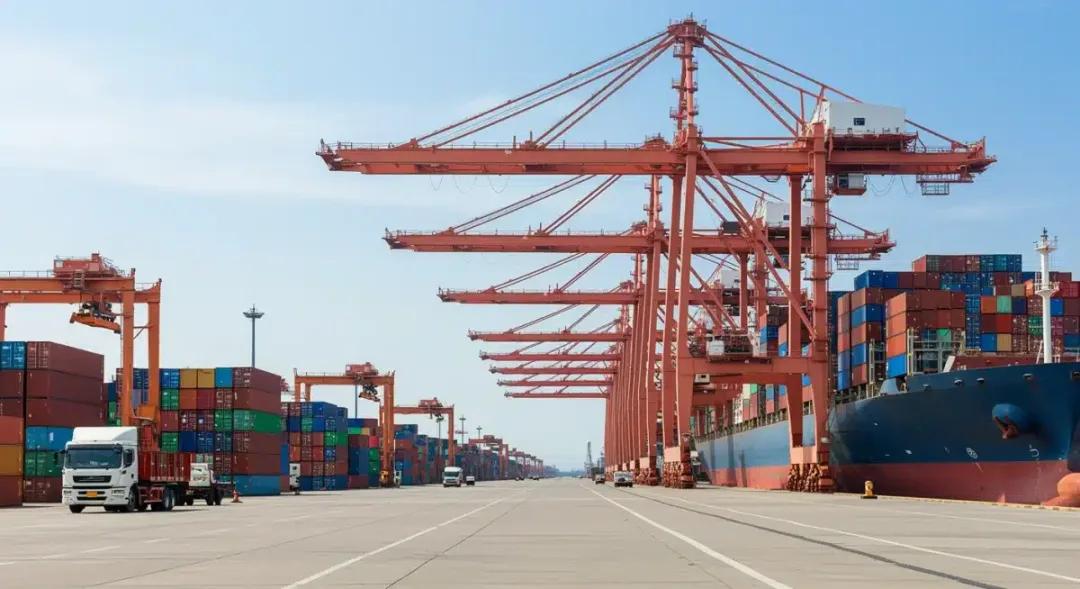
Investment in transport infrastructure, encompassing roads, rail, and ports, aims to improve freight efficiency, reduce commuter times, and enhance regional accessibility. Such improvements are vital for businesses, enabling faster movement of goods and services, which in turn lowers operational costs and boosts competitiveness. For individuals, better transport links mean more accessible employment and educational opportunities.
Furthermore, significant allocations are directed towards upgrading energy infrastructure and expanding digital networks, which are foundational for a modern, competitive economy. Enhanced energy reliability supports industries, while improved digital access is essential for business innovation, remote work, and education. The Government Unveils $5 Billion Infrastructure Spending Package for 2026, Boosting Economic Outlook will have a transformative effect on these vital areas.
Job Creation and Employment Opportunities
One of the most immediate and tangible benefits of the Government Unveils $5 Billion Infrastructure Spending Package for 2026, Boosting Economic Outlook is the substantial creation of jobs across various skill levels and industries. The construction phase alone will require a significant workforce, ranging from skilled tradespeople and engineers to project managers and administrative staff. This influx of employment will provide a much-needed boost to local economies.
Beyond direct construction roles, the infrastructure projects will also stimulate demand in ancillary industries such as manufacturing, logistics, and professional services. Companies supplying building materials, transportation services, and technical expertise will experience increased activity, leading to further job creation in these supporting sectors. This broad-based employment generation is a cornerstone of the package’s economic strategy.
Moreover, the long-term operation and maintenance of the new infrastructure will sustain employment opportunities well beyond the construction phase. This includes roles in facility management, technical support, and ongoing maintenance, ensuring a lasting positive impact on the labour market. The Government Unveils $5 Billion Infrastructure Spending Package for 2026, Boosting Economic Outlook is a strategic investment in human capital.
Skilled Workforce Demands
The scale of the upcoming projects necessitates a robust and skilled workforce. There will be a particular demand for civil engineers, electricians, plumbers, and heavy machinery operators, among others. Training programs and apprenticeships are expected to see increased enrolment to meet these specific needs.
Governments and industry bodies are collaborating to address potential skill shortages, ensuring that the local workforce is adequately prepared. This proactive approach aims to maximise Australian participation in the projects and foster a sustainable pipeline of talent for future infrastructure developments. The Government Unveils $5 Billion Infrastructure Spending Package for 2026, Boosting Economic Outlook relies on a strong local workforce.
Regional Employment Boost
Many of the planned infrastructure projects are situated in regional areas, which will experience a significant boost in local employment. This decentralised approach helps to distribute economic benefits more broadly, supporting regional development and reducing urban congestion. It offers opportunities for residents to work closer to home and for businesses to thrive in growing regional centres.
The influx of workers and increased economic activity in regional towns will also stimulate local services, from retail and hospitality to housing and healthcare. This comprehensive impact underscores the package’s potential to revitalise regional economies. The Government Unveils $5 Billion Infrastructure Spending Package for 2026, Boosting Economic Outlook is designed to benefit all Australians.
Boosting Economic Outlook: Projections and Analyst Perspectives
Economic analysts are largely optimistic about the potential for the Government Unveils $5 Billion Infrastructure Spending Package for 2026, Boosting Economic Outlook to significantly enhance Australia’s economic trajectory. Projections indicate a measurable increase in GDP growth, driven by both immediate construction activity and the long-term productivity gains from improved infrastructure. This investment is seen as a crucial counter-cyclical measure.
Leading financial institutions and economic think tanks forecast a positive multiplier effect, where every dollar invested in infrastructure generates several dollars in broader economic activity. This is attributed to increased demand for goods and services, job creation, and enhanced business efficiency. The package is expected to strengthen investor confidence, both domestically and internationally, in the Australian market.
Experts highlight that the strategic nature of the investments in critical sectors like transport and energy will alleviate existing bottlenecks, making Australian industries more competitive globally. This foresight in planning means the Government Unveils $5 Billion Infrastructure Spending Package for 2026, Boosting Economic Outlook is not just a short-term fix but a long-term strategic play for national prosperity and resilience.

Challenges and Mitigation Strategies for Major Projects
While the Government Unveils $5 Billion Infrastructure Spending Package for 2026, Boosting Economic Outlook presents immense opportunities, large-scale infrastructure projects inherently come with challenges that require careful planning and robust mitigation strategies. Issues such as cost overruns, delays, and environmental concerns are common, necessitating proactive management to ensure successful delivery. Effective governance is paramount in this context.
To address potential cost overruns, the government is implementing stringent financial oversight mechanisms, including detailed budgeting, regular audits, and performance-based contracts with clear accountability. These measures aim to keep projects within their allocated budgets and prevent unforeseen expenditure. Transparent reporting will also be critical in maintaining public trust and stakeholder confidence throughout the project lifecycle.
Environmental impact assessments are being conducted for all proposed projects to minimise ecological footprints and ensure sustainable development practices. Furthermore, community engagement strategies are in place to address local concerns, manage expectations, and foster collaboration, thereby reducing potential social disruptions. The Government Unveils $5 Billion Infrastructure Spending Package for 2026, Boosting Economic Outlook includes provisions for addressing these challenges comprehensively.
Supply Chain Resilience
Ensuring the resilience of supply chains for construction materials and skilled labour is a significant challenge. Global supply disruptions can impact project timelines and costs. The government is exploring strategies to diversify suppliers and potentially increase domestic manufacturing capacity for key components.
This approach aims to reduce reliance on single sources and mitigate risks associated with international trade fluctuations, ensuring that the infrastructure spending package remains on track. The Government Unveils $5 Billion Infrastructure Spending Package for 2026, Boosting Economic Outlook is keen on fostering local industry participation.
Regulatory Approvals and Land Acquisition
Navigating complex regulatory approval processes and managing land acquisition can often be time-consuming and contentious. Streamlining these procedures while adhering to legal and ethical standards is crucial for project acceleration. Clear communication with affected landowners and communities is essential.
The government is establishing dedicated task forces to expedite approvals and facilitate fair land acquisition processes, aiming to minimise delays. Successful implementation of the Government Unveils $5 Billion Infrastructure Spending Package for 2026, Boosting Economic Outlook hinges on efficient administrative processes.
Long-Term Benefits and Future Economic Landscape
The long-term benefits of the Government Unveils $5 Billion Infrastructure Spending Package for 2026, Boosting Economic Outlook extend far beyond the immediate economic stimulus and job creation. By investing in modern and efficient infrastructure, Australia is building a more resilient, productive, and competitive economy for decades to come. These foundational improvements will support future growth and innovation.
Improved transport links will reduce logistics costs for businesses, making Australian exports more competitive and attracting foreign investment. Enhanced digital infrastructure will foster innovation in technology sectors, supporting the growth of new industries and high-skill jobs. These advancements position Australia as a leading nation in the global economy. The Government Unveils $5 Billion Infrastructure Spending Package for 2026, Boosting Economic Outlook is a forward-looking strategy.
Furthermore, the investment in sustainable energy solutions will contribute to Australia’s climate change goals, creating a greener economy and securing energy independence. The overall effect will be a more connected, efficient, and environmentally responsible nation, capable of adapting to future challenges and seizing new opportunities. The Government Unveils $5 Billion Infrastructure Spending Package for 2026, Boosting Economic Outlook is a cornerstone for future prosperity.
Public-Private Partnerships and Funding Mechanisms
The successful execution of the Government Unveils $5 Billion Infrastructure Spending Package for 2026, Boosting Economic Outlook will likely involve a blend of funding mechanisms, including significant contributions from public-private partnerships (PPPs). These partnerships leverage private sector expertise and capital, complementing government funding and often accelerating project delivery. PPPs also introduce efficiencies and innovative solutions to complex infrastructure challenges.
The government is actively exploring opportunities to collaborate with private entities that possess the necessary technical capabilities and financial resources to deliver these ambitious projects. Clear contractual frameworks and risk-sharing agreements will be crucial to ensure transparency and accountability within these partnerships. Such collaborations are vital for maximising the impact of the infrastructure spending package.
Beyond PPPs, various other funding streams may be utilised, including state and territory government contributions, and potentially, innovative financing models such as infrastructure bonds. A diversified funding approach ensures financial flexibility and resilience, allowing the Government Unveils $5 Billion Infrastructure Spending Package for 2026, Boosting Economic Outlook to proceed efficiently and effectively. This multi-faceted strategy is key to success.
Regional Development and Equity Considerations
A significant aspect of the Government Unveils $5 Billion Infrastructure Spending Package for 2026, Boosting Economic Outlook is its potential to drive regional development and address historical inequities in infrastructure provision. By strategically allocating funds to projects outside major metropolitan centres, the government aims to stimulate economic growth in underserved areas. This focus on regional areas is critical for balanced national development.
Improved connectivity, access to essential services, and new employment opportunities in regional Australia will help retain and attract populations, fostering vibrant local economies. This approach counters urbanisation trends and ensures that the benefits of national economic growth are shared more equitably across the country. The infrastructure spending is a powerful tool for regional revitalisation.
Equity considerations are paramount in the selection and implementation of projects, ensuring that vulnerable communities and Indigenous populations also benefit from these investments. Consultation with local communities will be crucial to ensure projects are culturally sensitive and meet specific local needs, enhancing social cohesion as well as economic prosperity. The Government Unveils $5 Billion Infrastructure Spending Package for 2026, Boosting Economic Outlook aims for broad societal benefit.
| Key Point | Brief Description |
|---|---|
| Investment Scale | Australian Government commits $5 billion to infrastructure for 2026. |
| Economic Impact | Expected to boost GDP, create jobs, and enhance national productivity. |
| Targeted Sectors | Transport, energy, and digital connectivity are primary focus areas. |
| Long-Term Vision | Aims for a more resilient, productive, and competitive Australian economy. |
Frequently Asked Questions About the Infrastructure Package
What is the primary goal of this $5 billion infrastructure package?▼The primary goal is to stimulate Australia’s economic growth and enhance its long-term productivity. By investing in critical infrastructure, the government aims to create jobs, improve connectivity, and support various industries across the nation, ensuring sustained economic resilience and competitiveness.
Which regions in Australia will benefit most from this spending?▼While specific project locations are still being detailed, the package is designed to benefit both metropolitan and regional areas. A strong emphasis is placed on regional development to ensure equitable distribution of economic opportunities and improved access to essential services nationwide.
How will this investment impact the job market?▼This investment is expected to create thousands of jobs, both directly in construction and indirectly in supporting industries like manufacturing and logistics. There will be significant demand for skilled trades, engineers, and project management professionals, boosting employment across various sectors.
What measures are in place to prevent cost overruns and delays?▼The government is implementing stringent financial oversight, detailed budgeting, and performance-based contracts. There will also be a focus on streamlining regulatory approvals and engaging proactively with communities to minimise potential disruptions and keep projects on schedule and within budget.
What are the long-term economic benefits expected from this package?▼Long-term benefits include increased national productivity, enhanced global competitiveness, and a more resilient economy. Improved infrastructure will reduce business costs, foster innovation in technology sectors, and contribute to Australia’s environmental sustainability goals, securing future prosperity.
Looking Ahead
The Government Unveils $5 Billion Infrastructure Spending Package for 2026, Boosting Economic Outlook represents a bold commitment to Australia’s future. It signals a strategic intent to not only address current infrastructure deficits but also to lay robust foundations for sustained economic prosperity. As these projects move from planning to execution, ongoing monitoring of their progress and impact will be crucial.
Stakeholders, from businesses and investors to individual citizens, should track developments closely. The success of this package will be measured not just in completed structures, but in the tangible improvements to daily life and the resilience it builds into the national economy. This is a defining moment for Australia’s economic landscape.